Mechanical City
Almada, PortugalNumbers & Facts
Credits
Architecture: Bruna Serralheiro
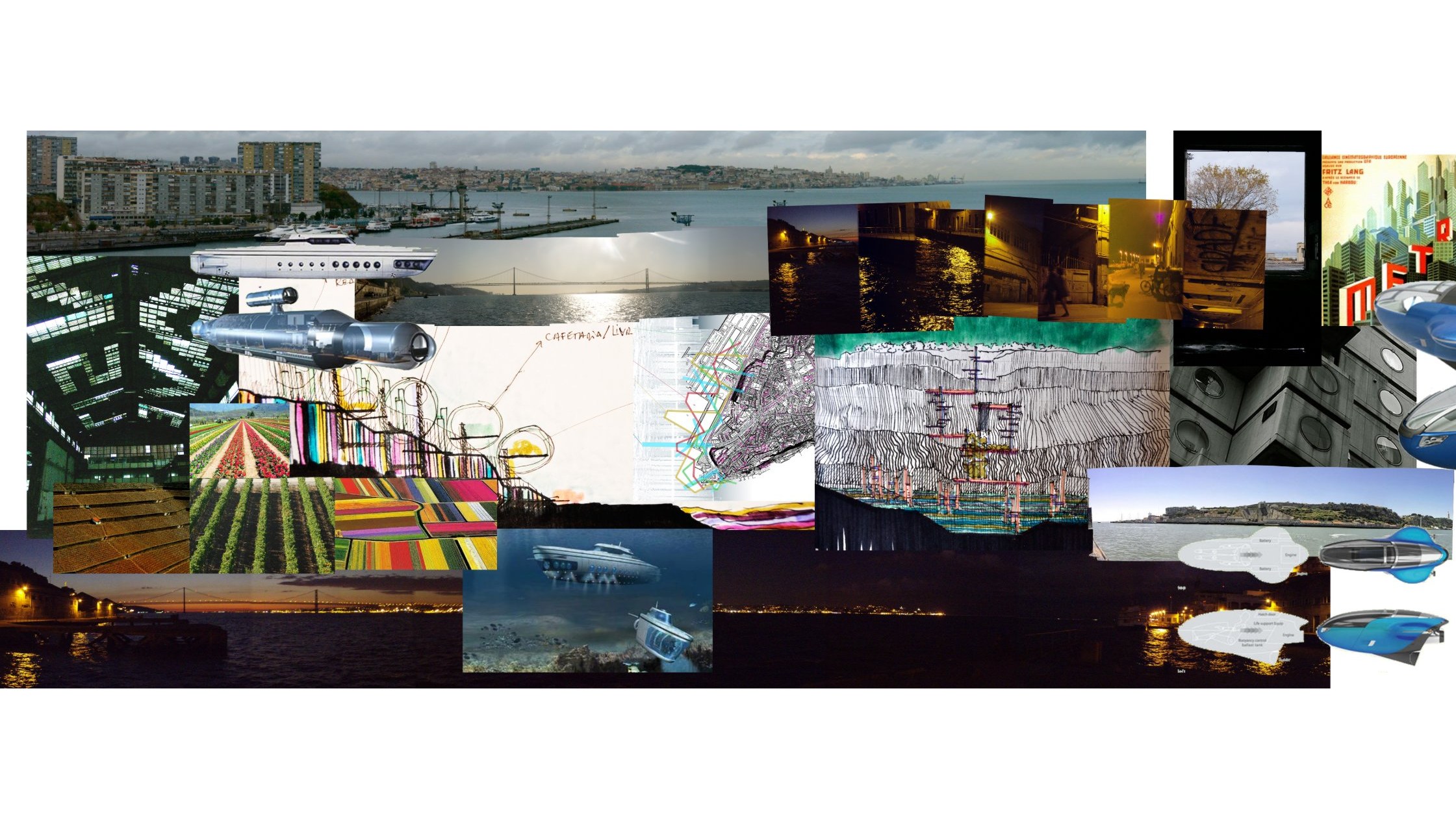
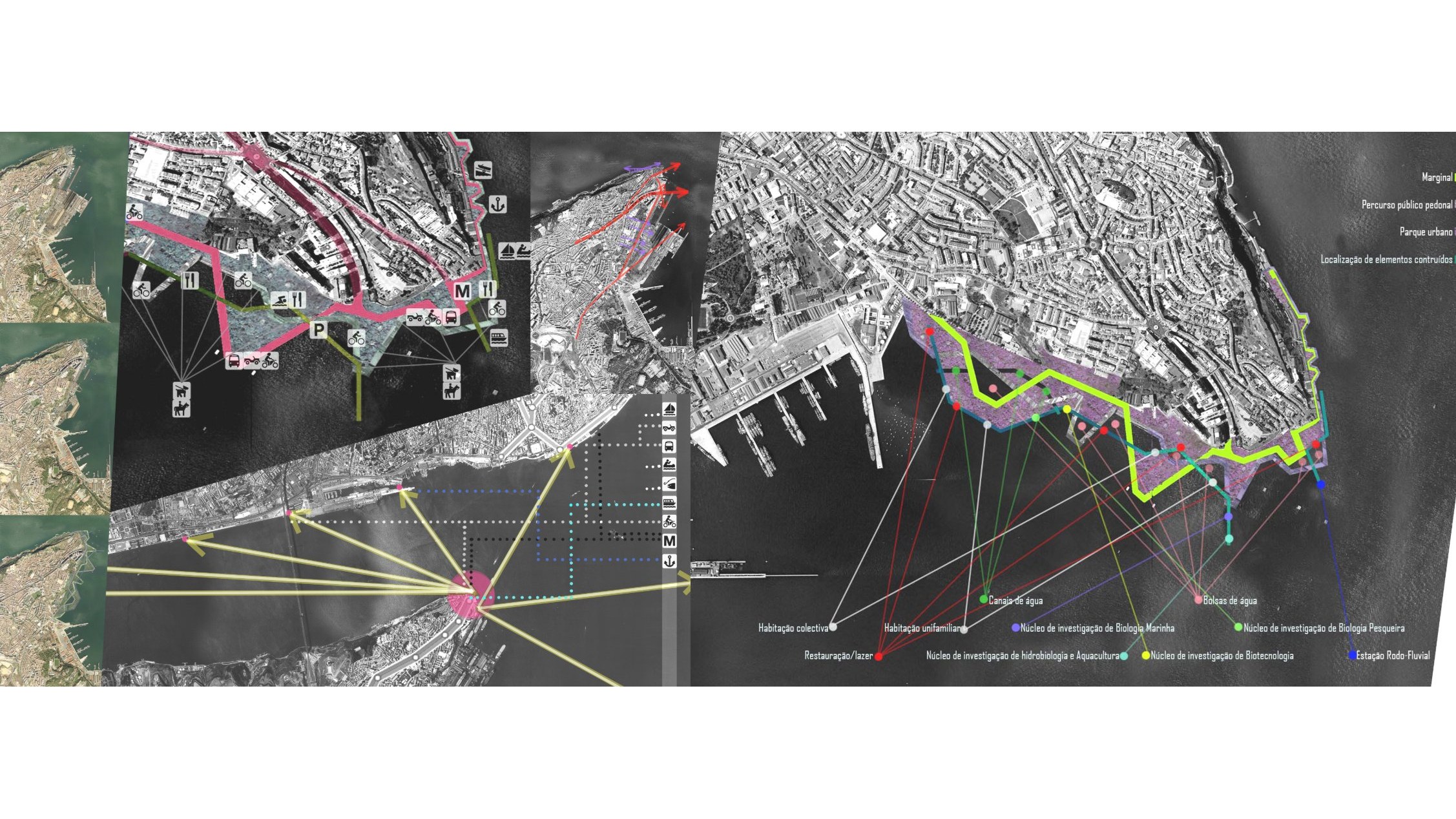
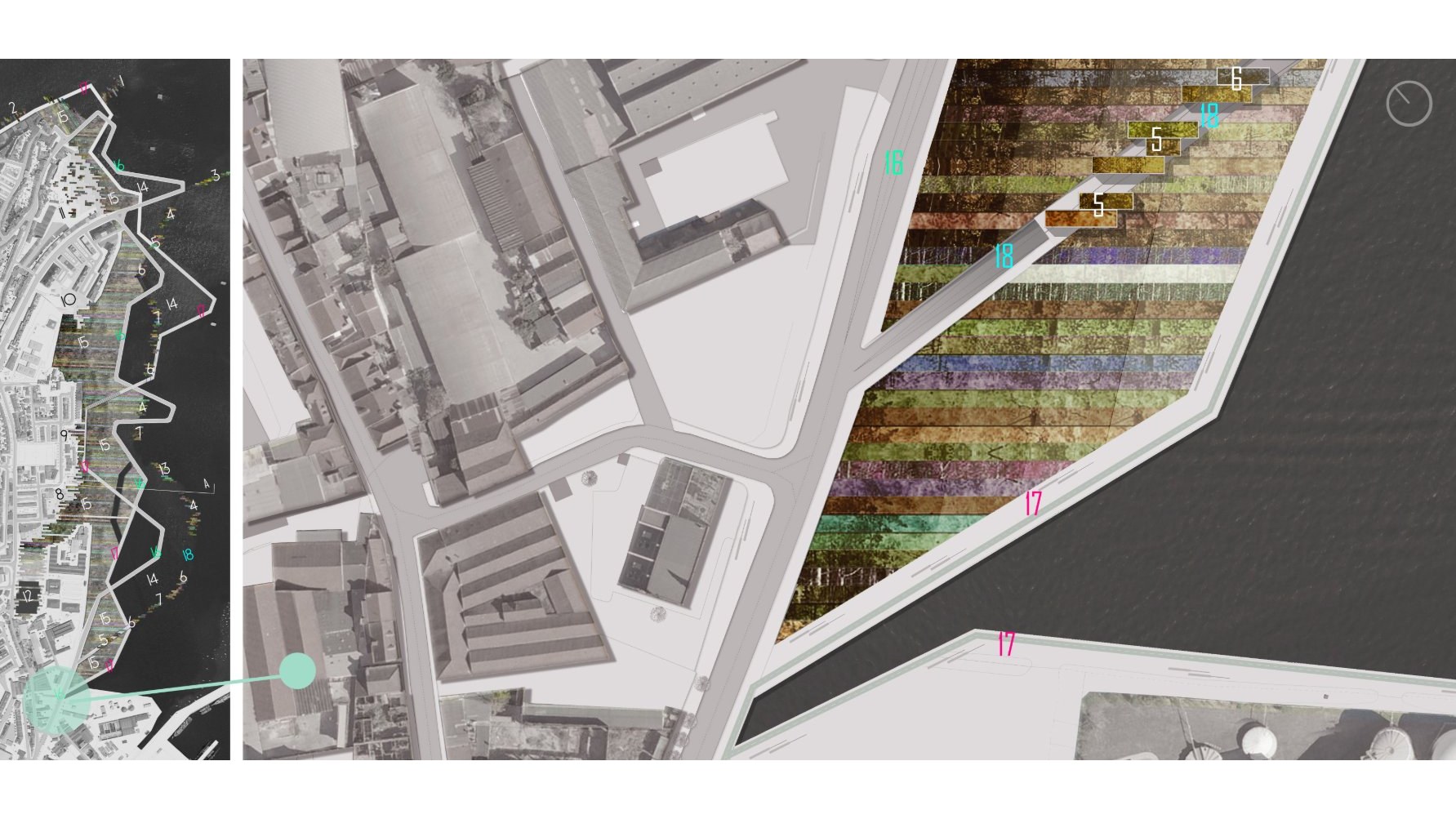
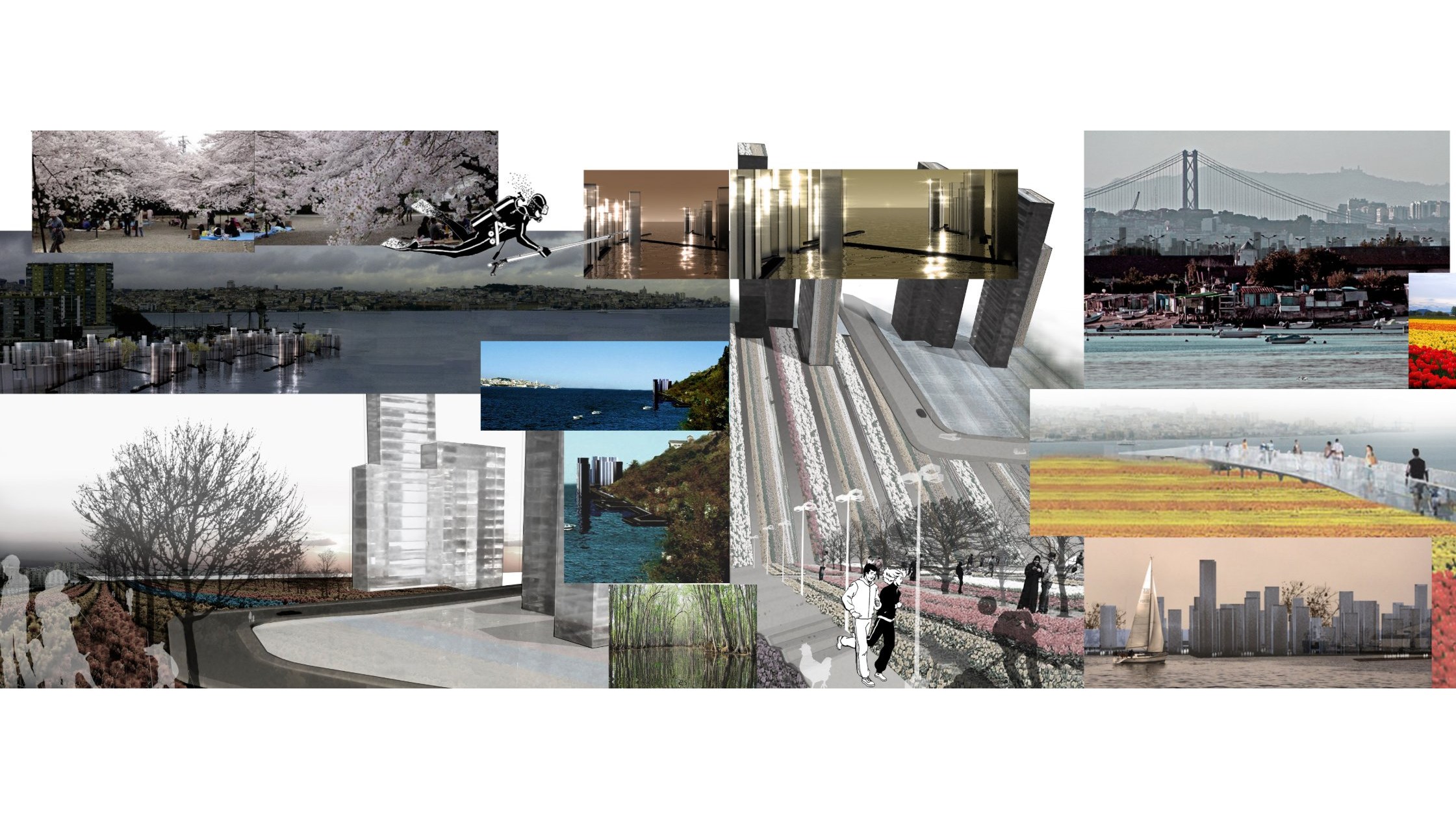
Mechanical City & Rubik House is an urban rehabilitation proposal for the Lisnave waterfront in Almada, covering the whole riverfront from Alfeite to Cacilhas. The project imagines a city of research and engineering: a green, agricultural and linear city that lives with the water, where mechanics is at once an urban system, a city in motion and a way of living.
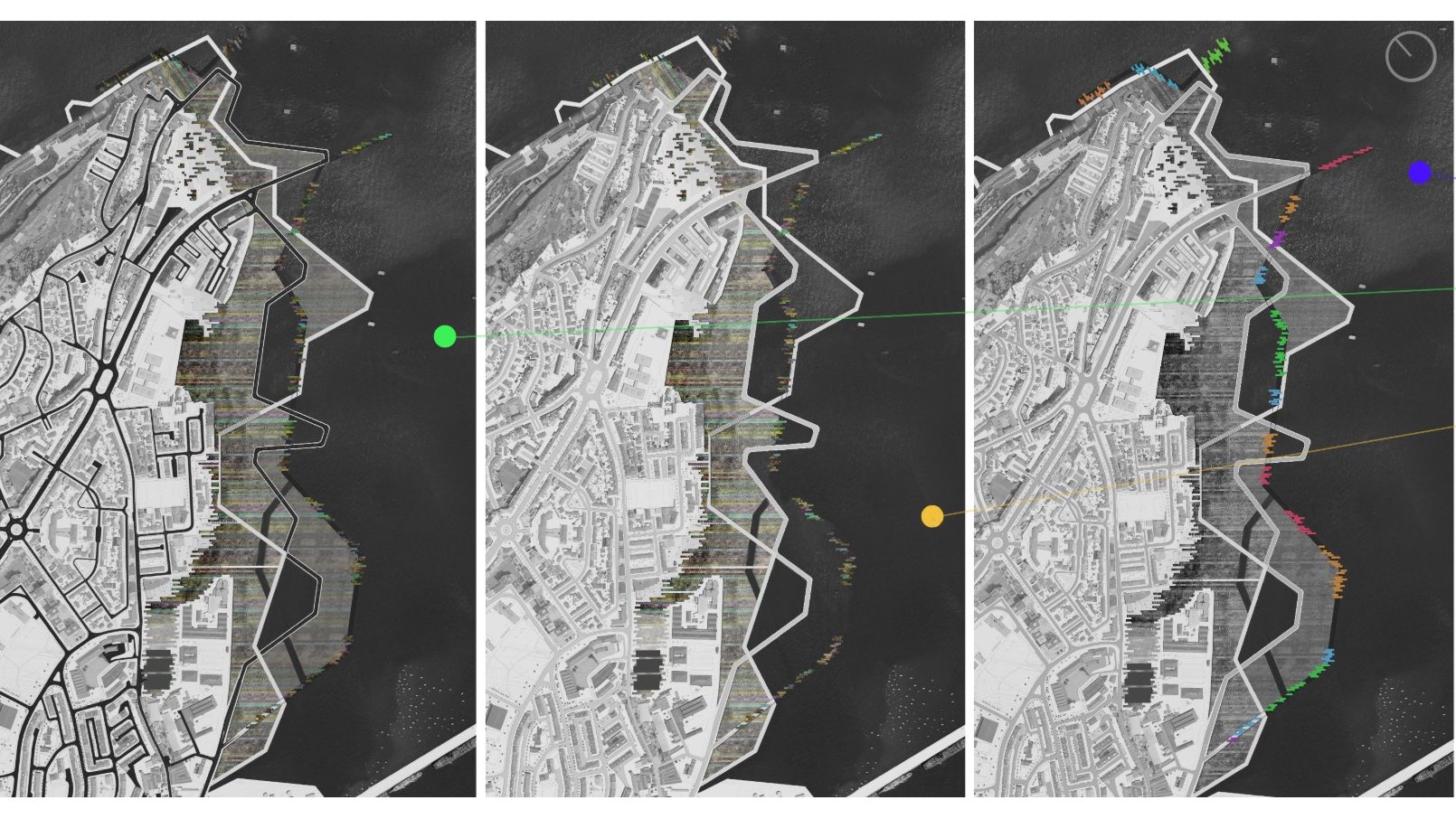
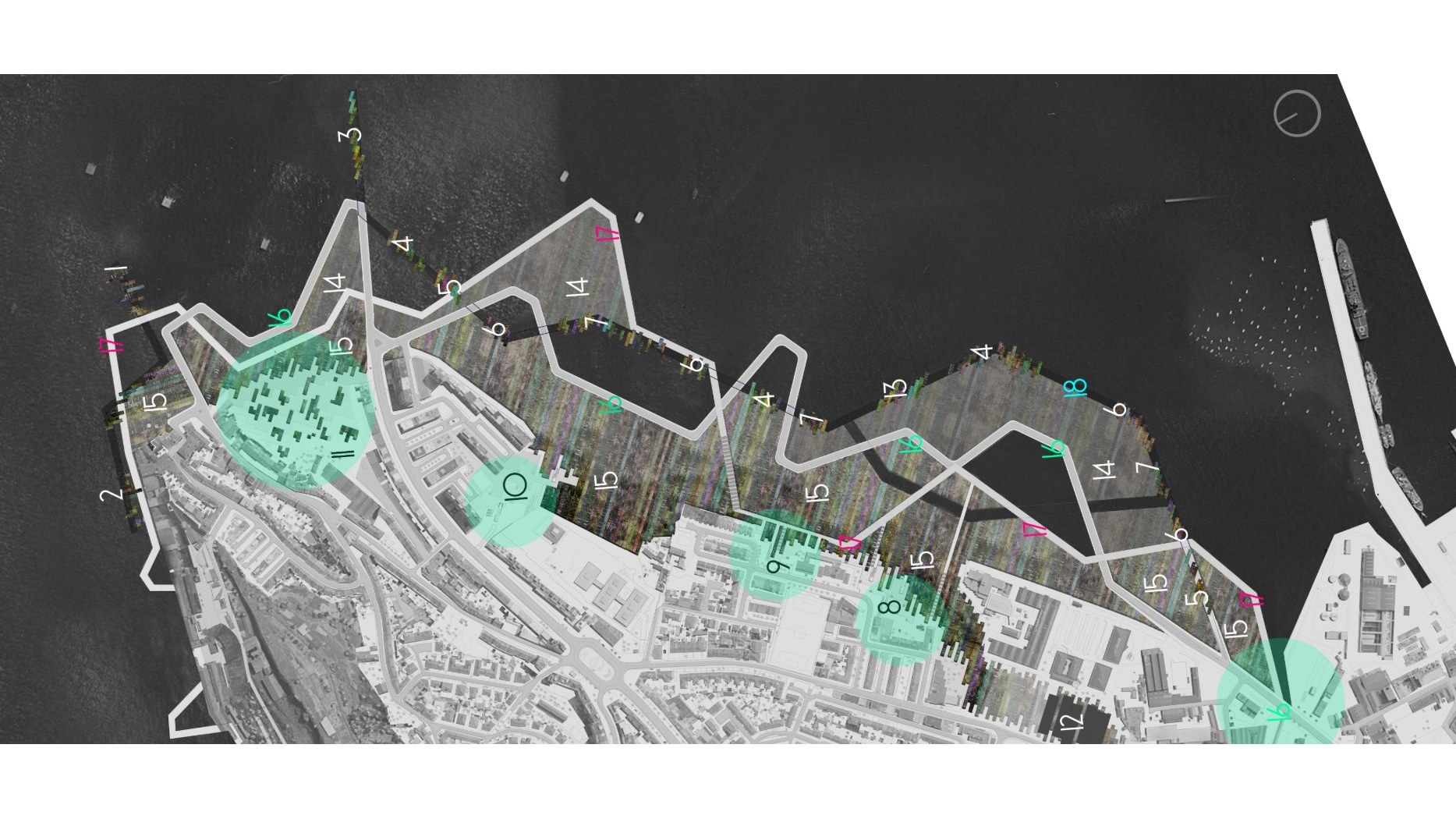
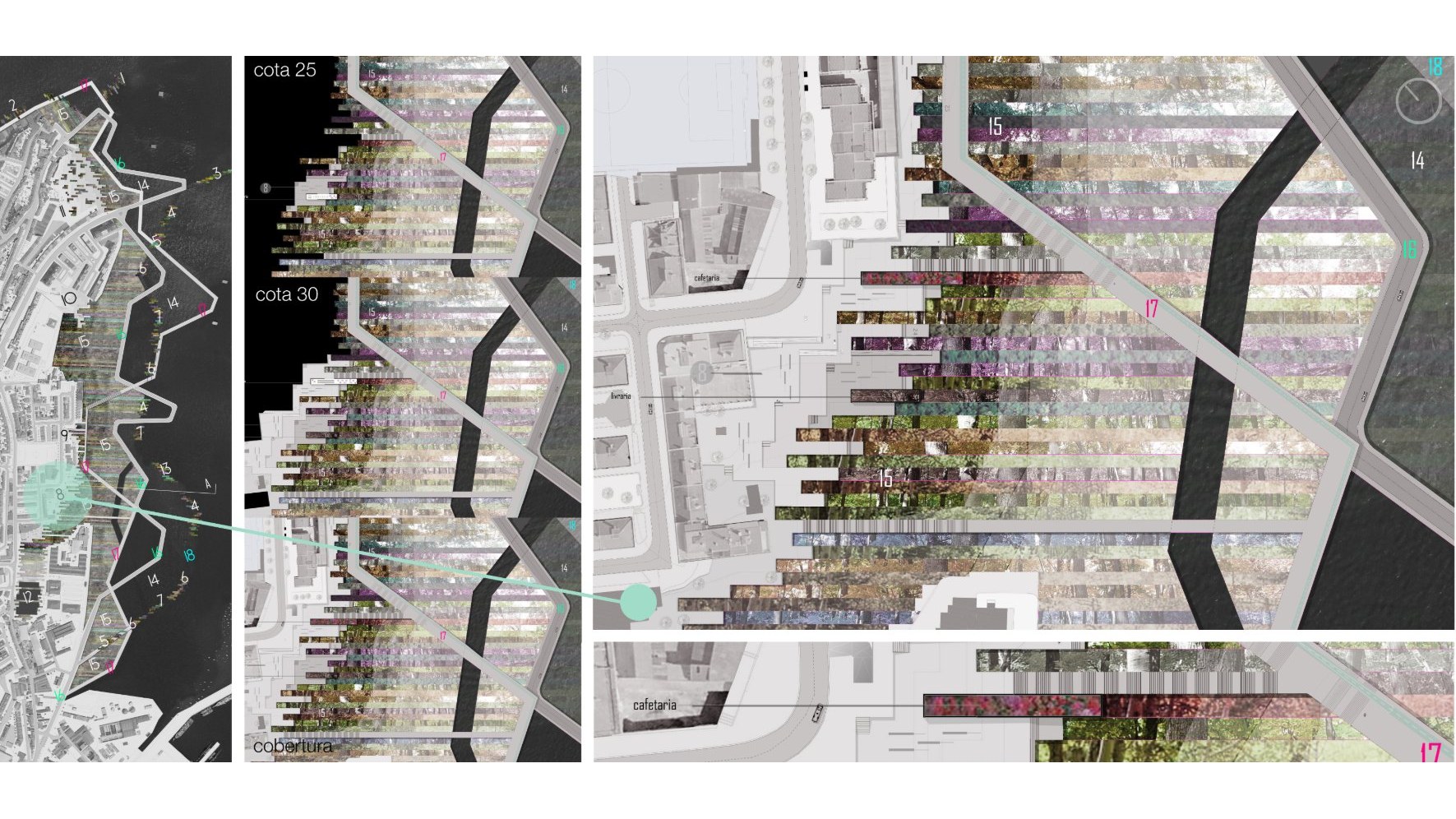
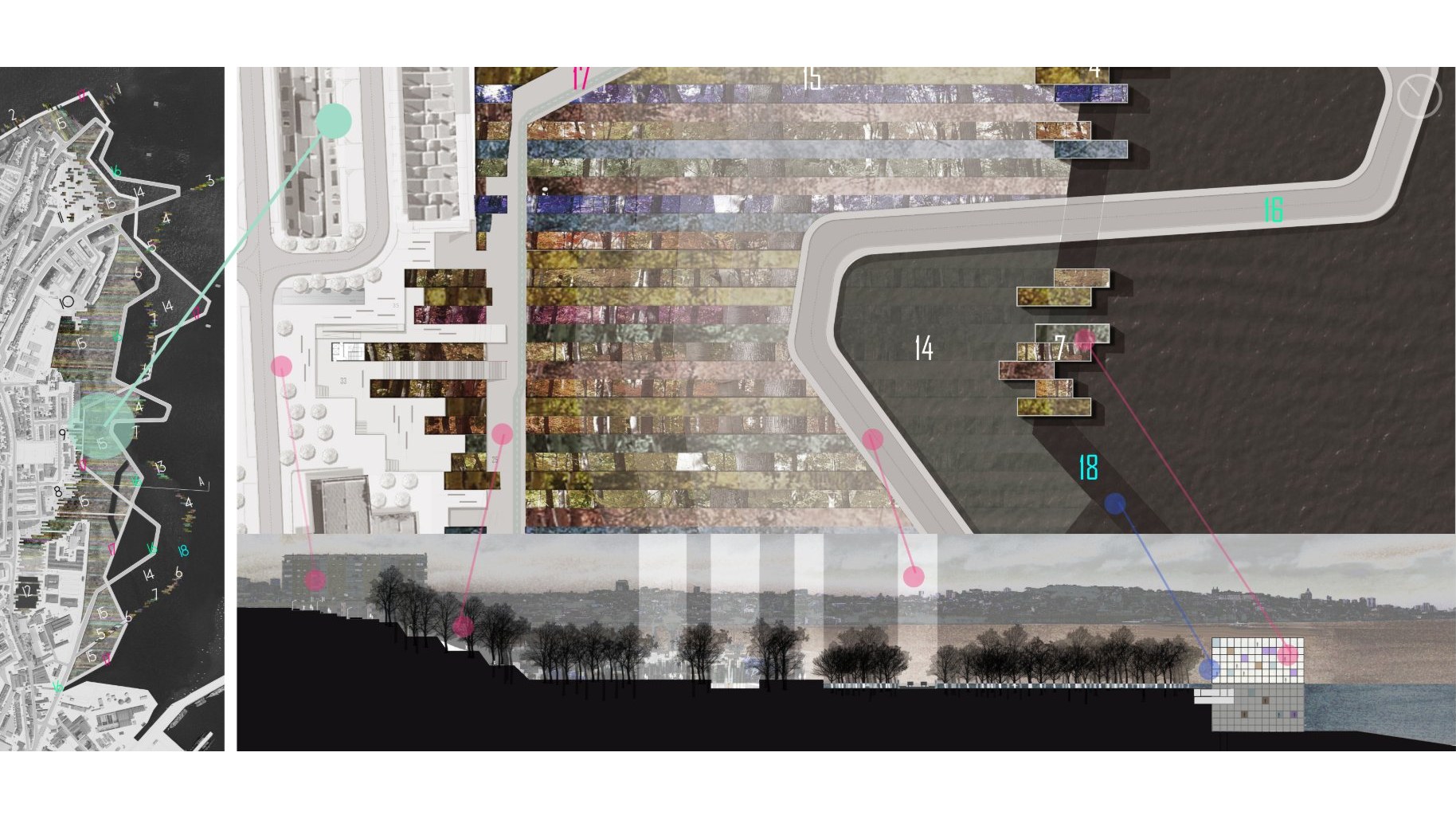
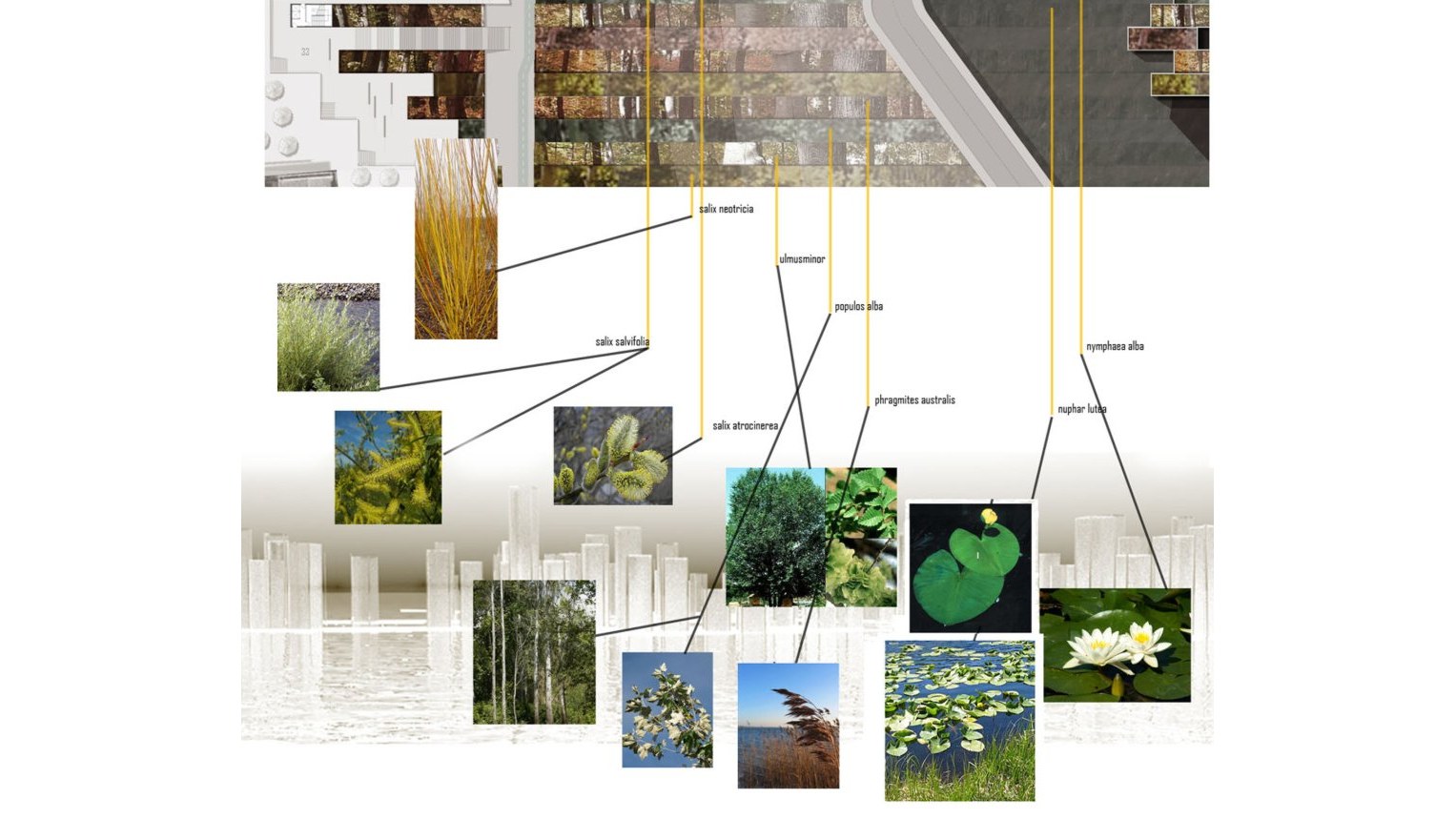
The plan is organised along fundamental axes. The programme line gathers leisure, culture and commerce, research centres in hydrobiology, aquaculture, marine and fisheries biology, and the housing towers, which work both above and below water level. The transport line connects every scale of mobility, while the estuary itself becomes a route: residents can arrive home by boat or private submarine. A "combed" urban park, planted with the riparian species of the Tagus estuary, is designed at two levels, the lower one submerged at high tide.
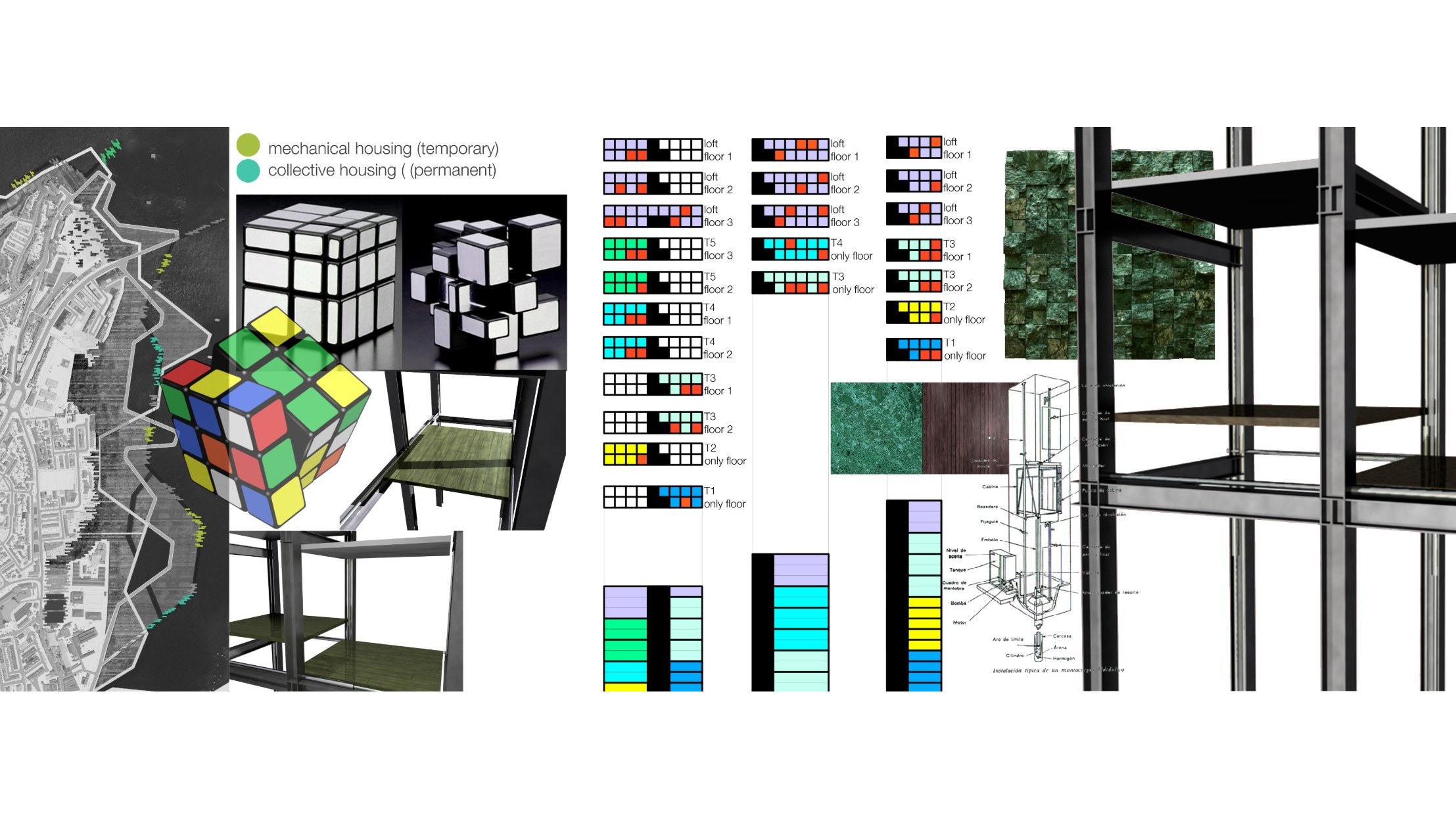
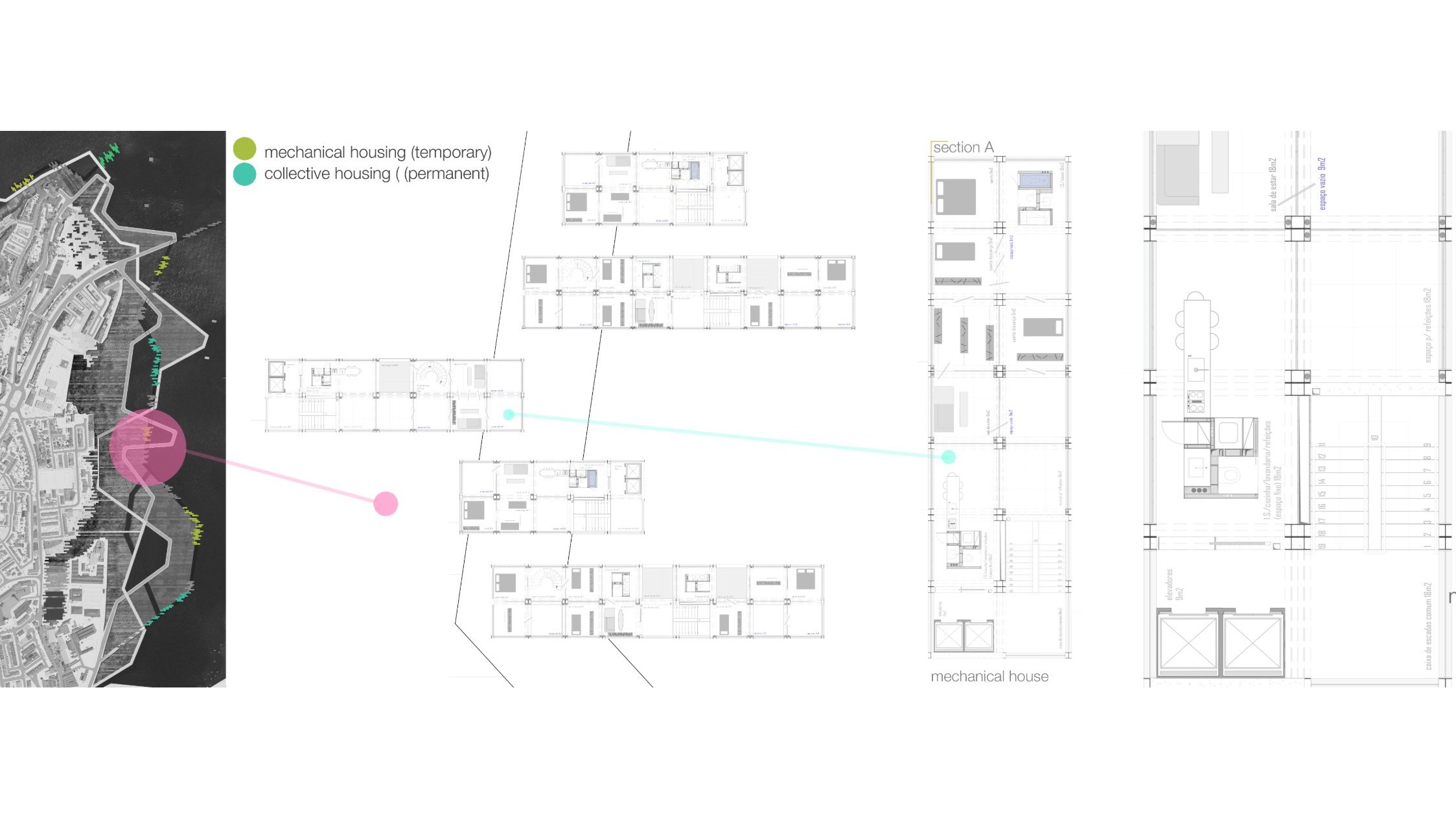
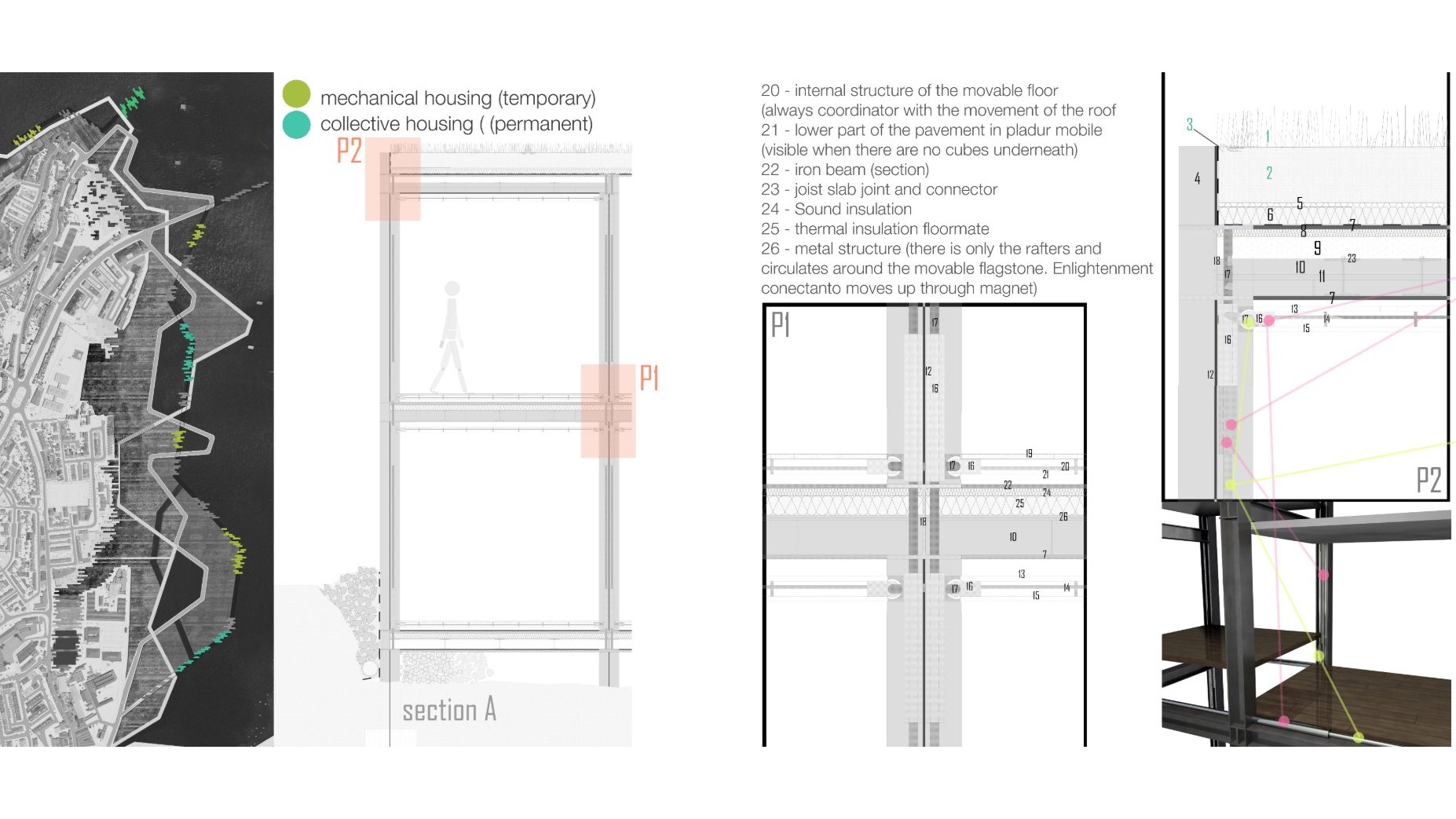
Housing takes two forms: towers for permanent collective housing and mechanical towers for temporary living. In the Rubik House, every room is a cube that can rise, fall and slide within a steel structure moved by hydraulic cylinders. Homes grow or shrink as their owners acquire more or fewer cubes, and the towers are in constant metamorphosis, creating an ever-changing skyline over the river.